


How a Morning Light Routine Supports Focus and Regulation
This piece was inspired by a recent episode of Modern Wisdom called How to Reclaim Your Brain for 2026. The conversation explores how attention, environment, and small daily inputs shape our ability to stay focused, regulated, and present in an increasingly noisy world. It stayed with me because it echoed something I’ve been practicing intuitively for a while now. How we begin our mornings matters more than we think.
One of the simplest shifts I’ve made is letting light be the first thing I invite in.
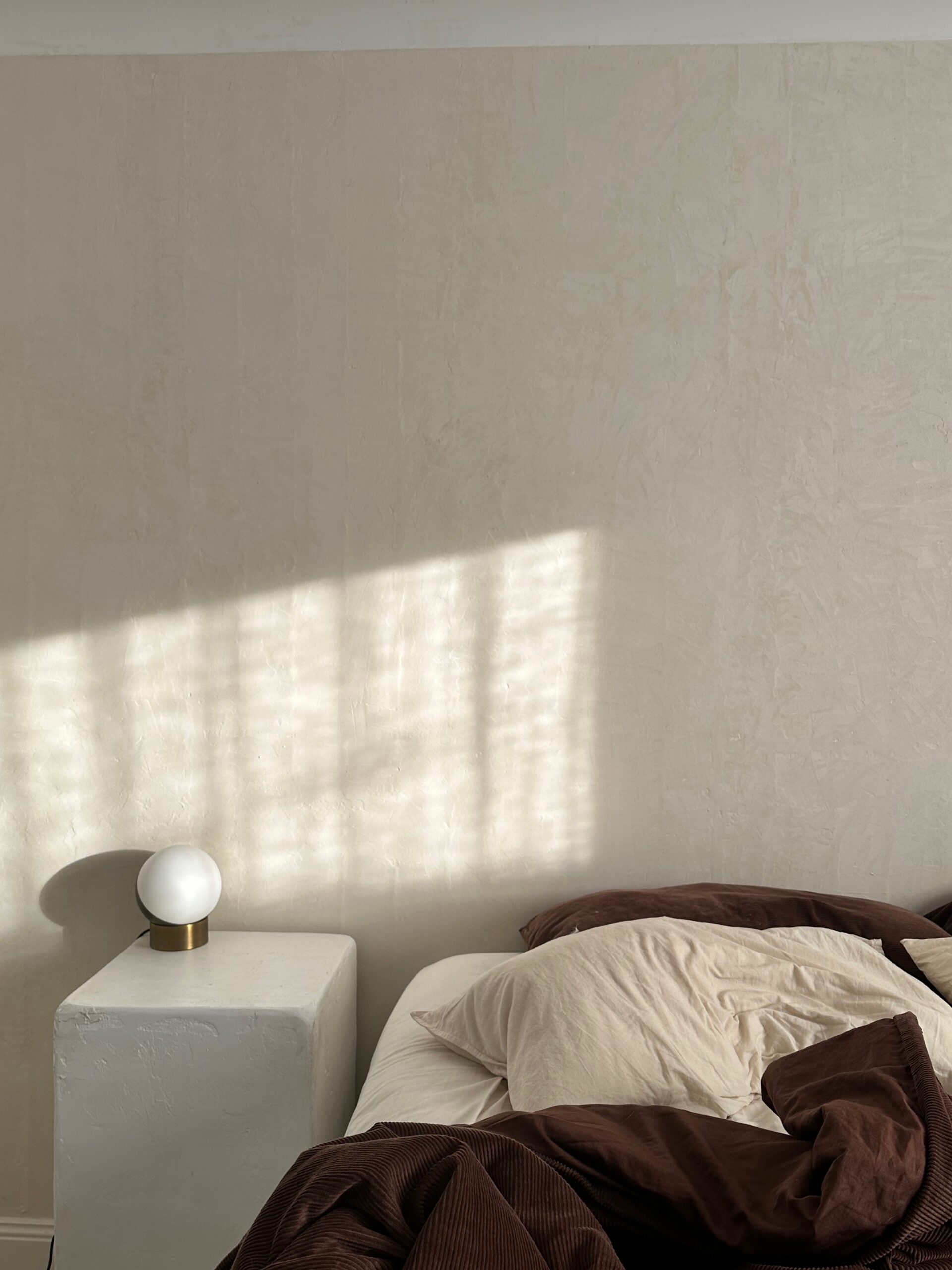
Before my phone. Before email. Before deciding what the day needs from me. I open the curtains and let the morning light fill the room. Sometimes I open the door for a moment and let fresh air move through the space. It’s small, but it sets the tone immediately.
There’s science behind this. Neuroscientist Andrew Huberman often talks about the importance of getting natural light into your eyes within the first 60 to 90 minutes of waking. Morning light helps regulate your circadian rhythm, which influences energy levels, focus, mood, and how steady your nervous system feels throughout the day. Even a short exposure can cue your body into daytime mode without forcing productivity or stimulation.
What I love about this practice is how effortless it is. No apps. No supplements. No tracking. Just allowing something natural to do what it’s designed to do.
I’ll often take it a step further and actually look up at the sky. That soft morning blue feels clarifying to me. Blue tones are traditionally associated with the throat chakra, expression, and clarity. Whether you see that symbolically or somatically, there’s something calming about it. I’m lucky enough to have greenery outside my window, too. Trees, wood, and living green are associated with the heart, and on gloomy days when it’s cold, and I know I’ll be indoors most of the day, that visual connection to nature really matters. Even from inside, it creates a sense of openness and steadiness.
What’s reassuring is that this intuitive ritual also has a physiological layer. Letting light in first thing supports the body in very real ways.
Why morning light works
Cortisol regulation
Morning light supports the healthy rise of cortisol that naturally happens after waking. This helps you feel alert and awake without tipping into stress.Dopamine regulation
Light helps set a steadier dopamine baseline, supporting motivation and focus throughout the day rather than chasing stimulation later.Chakras and energy
Blue tones connect to clarity and expression, while greenery and wood tones support openness and emotional balance. Even symbolic awareness can create a felt sense of grounding.Nervous system regulation
Light and fresh air signal safety and orientation, helping your system settle before the demands of the day begin.
From a feng shui perspective, light and air are considered carriers of life force energy. When curtains are opened, or fresh air circulates, stagnant energy clears and movement returns. The space wakes up with you.
Design plays a role here, too. Homes that are thoughtfully designed to welcome natural light make these rituals feel automatic rather than forced. If you’re building or renovating and thinking about how to better support daylight in your space, learning more about replacement windows can be a helpful place to start.
This light-first ritual pairs beautifully with a supportive morning routine and with creating a home that feels calm, intentional, and quietly energizing, much like a favorite coffee shop. When your environment works with you instead of against you, clarity comes more easily.
Sometimes the most meaningful shift isn’t adding something new. It’s simply letting the light in.
For more on the morning, check out the morning routines of 6 pro organizers.
FAQ
How long should I get morning light for?
Experts like Andrew Huberman suggest 5–15 minutes of natural light within the first 60–90 minutes of waking.